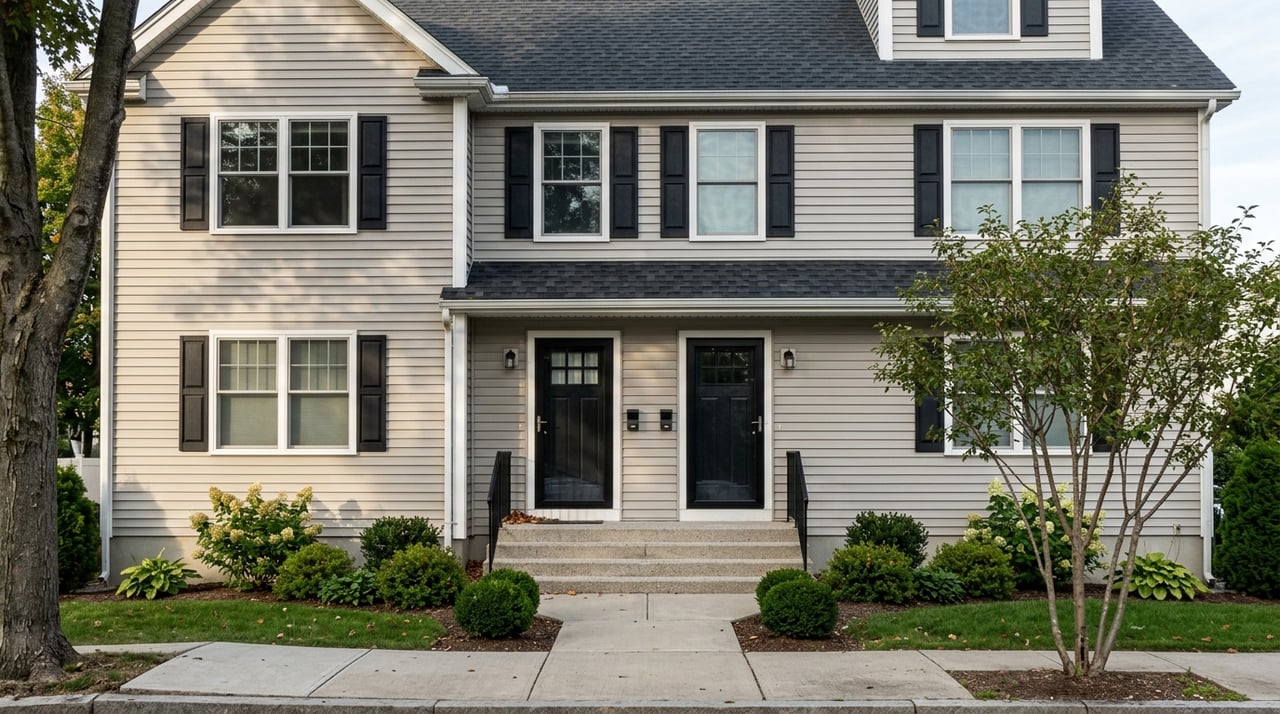
If rising housing costs have you wondering whether buying is still realistic, house hacking may be worth a closer look. In Springfield, buying a 2- to 4-unit property, living in one unit, and renting the others can be a practical way to offset your monthly payment while building long-term equity. The key is knowing how to run the numbers carefully, choose the right financing, and pay close attention to property condition before you commit. Let’s dive in.
Why Springfield fits house hacking
Springfield stands out as a market where house hacking is more than a trend. According to the U.S. Census Bureau QuickFacts for Springfield, the city has 154,888 residents, 57,772 households, and an owner-occupied housing rate of 49.6%, which means renting plays a major role in the local housing landscape.
The numbers also help explain why many buyers look for ways to reduce out-of-pocket housing costs. The same Census data shows a median owner-occupied home value of $245,000, median monthly owner costs with a mortgage of $1,804, and median gross rent of $1,144. For a first-time buyer, that creates a strong case for using rental income to help cover the mortgage and other expenses.
Springfield’s housing stock adds another reason this strategy can work here. The city’s 2020-2024 Consolidated Plan reports that 2- to 4-unit properties make up 30% of residential structures, while single-family homes make up 48%. In other words, multi-unit owner-occupied properties are part of the existing housing mix, not a rare exception.
What house hacking means
In simple terms, house hacking means buying a small multi-family property, moving into one unit as your primary residence, and renting out the other units. Most often, that means a duplex, triplex, or fourplex.
For many buyers, the appeal is straightforward. Rent from the other units may help cover part of your mortgage, taxes, insurance, and other ownership costs. You still become a homeowner, but you may not be carrying the full payment on your own.
That said, house hacking is not passive or effortless. You are taking on the role of owner-occupant and landlord, which means your success depends on realistic budgeting, solid financing, and careful property selection.
Local rent benchmarks to know
Before you analyze a deal, it helps to start with realistic rent expectations. HUD’s FY2026 fair market rents for the Springfield MSA provide useful benchmarks: $1,219 for a studio, $1,382 for a one-bedroom, $1,734 for a two-bedroom, $2,127 for a three-bedroom, and $2,296 for a four-bedroom.
These figures are not a promise of what any specific unit will earn. Actual rent depends on condition, layout, updates, location, utilities, and whether the unit is ready for occupancy. Still, these benchmarks can help you set a realistic starting point when comparing properties.
Springfield also appears to have meaningful rental demand. MassHousing board minutes from June 2025 reported a 2.5% year-to-date vacancy rate across 24,132 units in the Springfield market. That suggests an active rental pool, but it does not remove the need for conservative underwriting.
Financing options to explore
One of the biggest advantages of house hacking is that you may be able to buy a multi-unit property with owner-occupant financing rather than using an investor loan. That can open the door to a lower down payment and more flexible qualification options, depending on the program.
FHA loans for 2-4 units
According to the Consumer Financial Protection Bureau’s FHA loan overview, FHA loans may allow down payments as low as 3.5%. The property must have no more than four units, and you must buy the entire building and live in it as your principal residence.
This can be attractive if you want a lower cash-to-close amount. However, FHA loans also require mortgage insurance, so it is important to ask your lender how that affects your monthly payment.
Conventional HomeReady-style options
If you are considering conventional financing, Fannie Mae’s HomeReady product matrix is especially relevant. It allows 2- to 4-unit principal residences and shows that rental income from a 2- to 4-unit owner-occupied property may be used for qualifying, subject to documentation rules.
This is an important point for Springfield buyers. If projected rent can help support your qualification, a property that first seemed out of reach may become more realistic. You will still want to ask how much rent your lender can count, what reserve requirements apply, and how mortgage insurance may affect the payment.
MassHousing mortgage and DPA
For eligible first-time buyers in Massachusetts, MassHousing down payment assistance may be worth asking about. The program says eligible buyers can purchase a single-family home, condo, or 2-, 3-, or 4-family property that will serve as their primary residence when paired with a MassHousing mortgage.
The June 2025 brochure lists up to $30,000 at 0% deferred, or up to $25,000 at 2% or 3%, depending on eligibility. If your main obstacle is down payment or closing costs, this could make house hacking more accessible.
Run the numbers conservatively
A property is not a good house hack just because the gross rent looks strong. The better question is whether the deal still works when you account for real ownership costs, possible repairs, and a vacancy cushion.
The CFPB’s monthly payment worksheet is a helpful framework. In addition to principal and interest, it points buyers to costs like property taxes, homeowner’s insurance, utilities, maintenance, home improvement, and any condo or HOA fees.
The same worksheet notes that closing costs often run about 2% to 5% of the purchase price. It also suggests budgeting about 1% of the home price annually for maintenance and keeping 3 to 6 months of expenses in emergency savings. For a multi-unit property, those reserves can matter even more.
Stress-test the deal
Before you buy, try reviewing the property under a more cautious scenario. For example, ask yourself what happens if one unit sits vacant for a period, one major repair comes up early, or the lender counts only part of the projected rent.
If the property still feels manageable under those conditions, you may be looking at a stronger opportunity. If the deal only works under perfect assumptions, it may not be as safe as it first appears.
Springfield’s older housing stock matters
This may be the most important local factor to keep in mind. Springfield’s planning and fair housing documents describe an aging housing stock, repair needs, and lead-paint concerns that can affect affordability and property readiness.
The city’s fair housing analysis notes that much of the rental stock is older and that these conditions can create real barriers for buyers and renters alike. For a house hacker, that means inspection and renovation planning are not optional details. They are central to the decision.
Lead hazards need extra attention
Massachusetts also has specific lead-paint rules that matter in rental housing. The state’s lead paint advisory explains that owners must address lead hazards in rental property when a young child occupies the unit, and the obligation can also extend to owner-occupied properties.
Because Springfield has a large amount of older housing, you should plan for lead-related due diligence early. That may include inspections, lead-safe work, compliance costs, and possible turnover repairs before a unit is ready to rent.
What to look for in a Springfield house hack
Not every multi-family property makes a smart first house hack. In Springfield, it helps to focus on properties where the math and the condition both make sense.
A strong candidate often has:
- A layout that lets you comfortably live in one unit
- Units that appear rentable without major immediate work
- A realistic rent level based on size and condition
- Enough cash reserves for vacancy, repairs, and closing costs
- Financing terms that fit your budget, not just your approval limit
It is also wise to pay attention to utility setup, deferred maintenance, and whether older systems may need replacement sooner than expected. These details can change your real monthly cost quickly.
House hacking benefits and tradeoffs
House hacking can be a smart way to get into the market, but it works best when you go in with clear expectations.
| Potential benefits | Key tradeoffs |
|---|---|
| Rental income may offset your monthly payment | You are also managing tenants and property issues |
| Owner-occupant financing may offer lower down payment options | Multi-unit financing rules can be more detailed |
| You build equity while living in the property | Older homes may need more repairs and compliance work |
| Springfield has meaningful 2-4 unit inventory | Vacancy and turnover can affect your budget |
For the right buyer, the upside is real. You may reduce your housing cost, gain hands-on ownership experience, and build a stronger financial base over time. The tradeoff is that you need to buy carefully and manage the property responsibly.
The bottom line
In Springfield, house hacking can be a practical path for buyers who want to live in one unit and rent the rest. The city has the kind of 2- to 4-unit housing stock that makes this strategy realistic, and financing options like FHA, HomeReady-style conventional loans, and MassHousing down payment assistance can make the path more accessible.
The part that matters most, though, is discipline. A good house hack is not just about projected rent. It is about choosing the right loan, budgeting for real expenses, understanding the condition of an older property, and leaving room for repairs, vacancy, and compliance costs.
If you are thinking about a multi-family purchase and want a practical, numbers-first approach, Peter Vamvilis can help you evaluate your options and move forward with clarity.
FAQs
What is house hacking in Springfield, MA?
- House hacking in Springfield usually means buying a 2- to 4-unit property, living in one unit as your primary residence, and renting the other units to help cover your housing costs.
Can you buy a multi-family home in Springfield with an FHA loan?
- Yes. According to the CFPB, FHA loans can be used for properties with up to four units if you buy the entire building and occupy it as your principal residence.
Can rental income help you qualify for a Springfield house hack?
- It can, depending on the loan program and documentation. Fannie Mae’s HomeReady guidance says rental income from a 2- to 4-unit principal residence may be used for qualifying, subject to program rules.
Why do older Springfield multi-family homes need extra review?
- Springfield has a significant amount of older housing stock, which can mean higher repair needs, possible lead-related concerns, and added costs before a unit is ready to rent.
Is MassHousing down payment assistance available for Springfield multi-family buyers?
- MassHousing says eligible first-time buyers may use its mortgage and down payment assistance programs to buy a 2-, 3-, or 4-family property that will be their primary residence.
