Thinking about a move to South Windsor but not sure what day-to-day life really looks like? You want a suburban home that balances space, convenience, and a reasonable commute, without giving up parks, community programs, and everyday shopping. In this guide, you’ll learn how South Windsor lives, the housing styles you’ll see, and what to consider as you narrow your search. Let’s dive in.
What living in South Windsor feels like
South Windsor sits in Hartford County as part of the Greater Hartford metro. You’ll find established neighborhoods alongside newer subdivisions, with most errands and commutes handled by car. The town blends residential streets, small commercial centers, and a few larger retail corridors.
Many households include school-age children, and single-family homes are common. You’ll notice a suburban rhythm: quiet streets, local parks and fields, and weekend recreation close to home. Expect a calm pace with regional access when you need it.
Housing styles you’ll see
You’ll find a wide mix of New England styles and sizes. This range gives you options whether you’re a first-time buyer, moving up, downsizing, or investing.
Classic New England homes
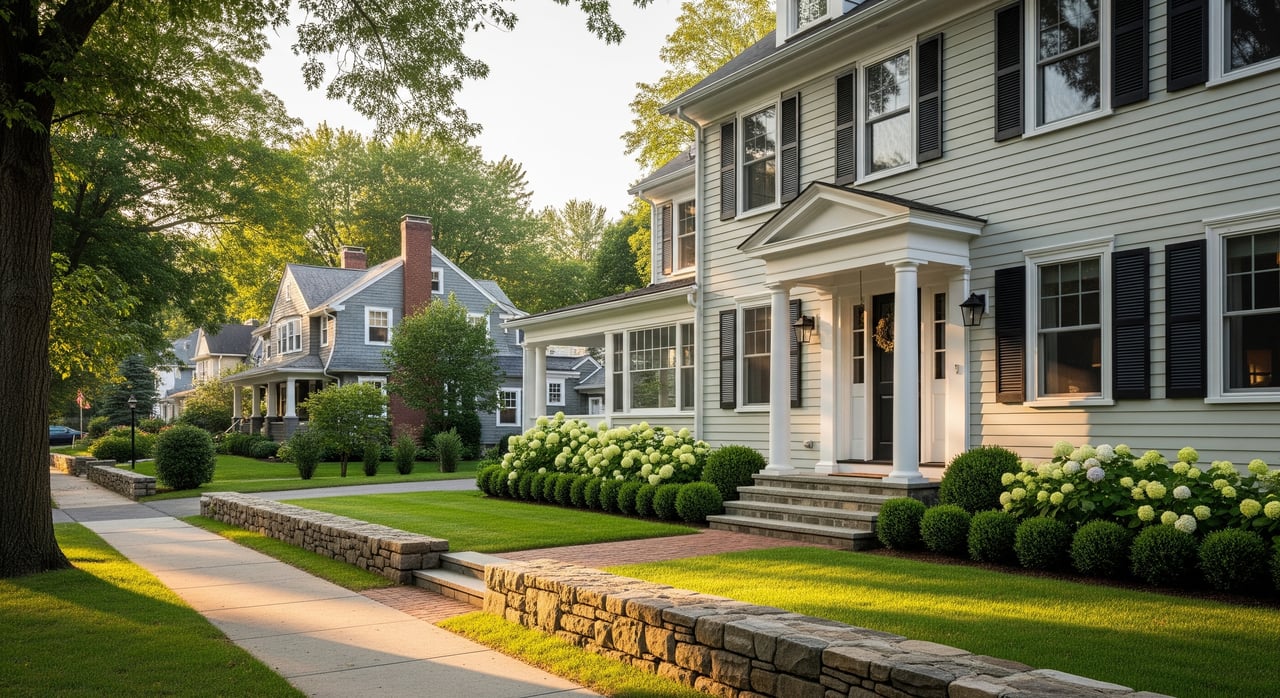
Colonial-style homes are a staple here, with symmetrical facades and practical floor plans. Cape Cods and early-to-mid-20th-century cottages appear in older pockets near the town’s established areas. These homes often come with mature trees and neighborly streets.
Mid-century and split-level options
Ranches and split-levels expanded with the post-WWII suburban buildout. If single-level living is on your list, ranches can be a good fit. Split-levels offer separate living zones and flexible layouts that adapt well to home offices or play spaces.
Newer subdivisions
From the 1990s onward, South Windsor added contemporary and neo-Colonial single-family homes. Many of these neighborhoods feature cul-de-sacs, attached garages, and larger lots. If you prefer newer systems and more open floor plans, these areas may align with your priorities.
Condos, townhomes, and small multifamily
You’ll see townhouse-style condos and small apartment complexes, often near commercial corridors and major roads. There are also limited duplex and small-scale multifamily options. These properties can work well for buyers seeking lower maintenance or for small investors looking at the local rental market.
Lot sizes and age mix
Older areas tend to have modest lots and tree-lined streets. Newer subdivisions usually include larger parcels and more uniform streetscapes. Because the town spans decades of development, you’ll want to confirm the year built, recent updates, and typical lot sizes in any neighborhood you’re considering.
Daily life and getting around
South Windsor functions as a car-oriented suburb with straightforward access to Hartford and nearby employment hubs.
Commute basics
Driving is the primary way residents get to work, shop, and reach services. Major state routes and interstates connect you to downtown Hartford and surrounding towns. Average commute times vary by neighborhood and destination, so factor peak-hour traffic into your planning and compare options during your typical travel windows.
Public transit overview
Parts of town are served by regional bus routes through the CTtransit Hartford system. Intercity rail stations are available within the Greater Hartford region, with park-and-ride options and bus connections at nearby hubs. Transit can be a practical backup for some commutes, but most residents rely on cars for daily travel.
Schools and learning
South Windsor Public Schools operates schools from elementary through high school. District programming and boundaries can change, so it’s important to verify the assigned school for any property you’re considering. Families commonly review district communications, state education reports, and school websites to understand offerings and logistics such as transportation, extracurriculars, and after-school options.
Higher education choices are easily reached across Greater Hartford. Community colleges and universities in the region provide continuing education, degree programs, and workforce training within a commutable distance.
Parks, recreation, and outdoor time
The town maintains a network of parks, fields, playgrounds, and multi-use trails. You’ll find places for everyday walks, youth sports, and seasonal activities. Riverfront access is part of the area’s natural backdrop, and regional open spaces add hiking and nature options within a short drive.
Municipal recreation programming offers year-round activities for many ages, including youth sports, fitness classes, and senior programs. If outdoor time is a priority, you’ll appreciate the variety of fields, trails, and community events that keep weekends active without a long trip.
Shopping, dining, and services
Daily errands are simple, with grocery stores, pharmacies, and service businesses located along the town’s commercial corridors. You’ll also find local restaurants and takeout options for weeknight convenience. Larger-format shopping centers sit in nearby towns, expanding choices for retail, dining, and entertainment within a short drive.
For healthcare, residents typically use regional hospitals and specialists in the Hartford area. Urgent care centers and primary care practices are available in town or nearby, so routine and urgent needs are close to home.
Neighborhood snapshots
Every part of town offers a slightly different feel. Here’s how to think about the micro-areas as you tour.
Near the town center
- What you’ll see: Older homes, mature trees, and shorter drives to errands.
- Consider: More compact lots and homes with earlier build dates that may have system updates to review.
Newer subdivisions on the outskirts
- What you’ll see: Contemporary and neo-Colonial homes, cul-de-sacs, and consistent streetscapes.
- Consider: Larger lots and newer systems, with potential homeowners association rules or fees in some communities.
Adjacent to commercial corridors
- What you’ll see: Townhouse-style condos, small apartment complexes, and convenient access to shops and services.
- Consider: Quicker errands and straightforward commutes, with more traffic during peak retail hours.
River-adjacent pockets
- What you’ll see: Scenic settings and access to open space.
- Consider: Confirm floodplain status, insurance needs, and any elevation or drainage updates on the property.
Costs, taxes, and utilities
Plan to review the full cost picture for any home on your shortlist.
- Property taxes: South Windsor’s property tax is based on a mill rate set by the town. Ask for the current mill rate and request an example annual tax estimate for your price range.
- Utilities: Confirm whether a property uses public water and sewer or private well and septic, and ask about typical monthly costs for electric, gas, and water in that neighborhood.
- Insurance: Standard homeowners coverage is common. If you’re near the river or in low-lying areas, review FEMA floodplain maps and discuss whether flood insurance is appropriate.
- Maintenance: For older homes, check the age and condition of the roof, HVAC, electrical, and plumbing systems. For newer builds, review any builder warranties and HOA responsibilities.
Who South Windsor fits best
If you want a suburban home with a yard, regional commutes, and easy access to parks and everyday shopping, South Windsor is a strong fit. The town’s housing mix supports many life stages, from first-time buyers to move-up households and downsizers. If you prefer dense urban walkability or to rely heavily on public transit, you may find other Greater Hartford neighborhoods align better with your lifestyle.
Buyer checklist for your first call
Use this quick list to focus your search and speed up decisions:
- Commute: Typical drive times from the home to your workplace at peak hours.
- Schools: Assigned schools for the address and any transportation details you need.
- Taxes: Current mill rate and an example annual tax for your price band.
- Utilities: Public water and sewer versus private systems, plus average monthly costs.
- Insurance: Floodplain status and any additional coverage recommendations.
- Property details: Age of roof, HVAC, windows, and major updates or permits.
- HOA: Any rules, fees, and coverage in newer subdivisions or condo communities.
- Zoning: What’s allowed on the lot and nearby parcels, and any planned development.
- Market context: Recent comparable sales, inventory levels, and days on market for your target style and neighborhood.
Selling or investing in South Windsor
If you’re selling, highlight the features buyers prioritize here: condition and updates, usable yard space, storage, and convenient access to commuting routes. Pricing should reflect recent comps in your micro-neighborhood and the age of systems. For small-scale investors, focus on townhouse-style condos and smaller multifamily near commercial corridors, and review rental demand and HOA policies before you buy.
Work with a local guide
A successful move in South Windsor starts with clear goals, neighborhood fit, and data-informed decisions. For personalized guidance, local comps, and a step-by-step plan from search to closing, connect with Peter Vamvilis. You’ll get responsive communication, transparent advice, and the reach of Coldwell Banker’s marketing to help you buy, sell, or relocate with confidence.
FAQs
What is daily life like in South Windsor, CT?
- South Windsor offers a suburban pace with residential neighborhoods, parks and fields for recreation, and everyday shopping along local corridors, with most trips made by car.
What home styles are common in South Windsor?
- You’ll see Colonials, Cape Cods, ranches, split-levels, and newer neo-Colonial homes in subdivisions, plus townhouse-style condos and small multifamily near commercial areas.
How are commutes to Hartford from South Windsor?
- Driving is the primary mode, with state routes and interstates connecting to Hartford and nearby job centers; bus options exist in parts of town, but most residents commute by car.
How are schools organized in South Windsor?
- South Windsor Public Schools serves grades from elementary through high school; always verify the assigned school for any property, as boundaries and programs can change.
What should I know about property taxes in South Windsor?
- Taxes are based on the town’s current mill rate; ask for the latest rate and request an example annual tax estimate for your target price range.
Is new construction available in South Windsor?
- Newer subdivisions exist, and occasional new builds or infill homes come to market; availability changes, so review current inventory and planned developments with your agent.
