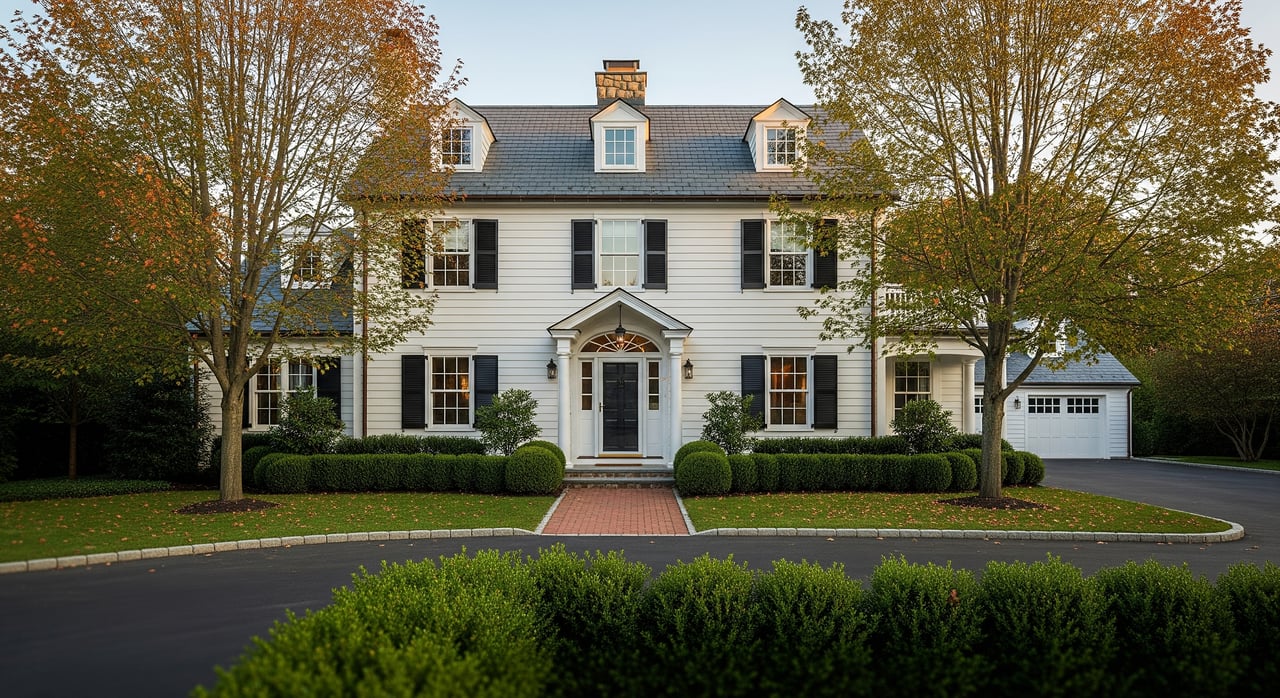
Are you trying to figure out what your South Windsor home could sell for right now? You are not alone. With inventory, interest rates, and buyer demand shifting, pricing well is the difference between a quick, strong sale and weeks of slow showings. In this guide, you’ll learn a clear process to estimate your value, the local factors that move price in South Windsor, expected costs and timelines, and practical ways to boost your bottom line. Let’s dive in.
Start with today’s market snapshot
Before you set a price, confirm current trends for single-family homes in South Windsor. Focus on median sale price, days on market, list-to-sale price ratio, and months of supply. If you have access, pull the latest numbers from the local MLS. If not, ask for a current CMA.
- Use the local MLS for the most accurate comps and DOM. If you work with an agent, they can pull a report from SMART MLS.
- For broader trend context in the Hartford region, review National Association of Realtors research.
How to estimate your South Windsor sale price
Follow this step-by-step workflow to build a realistic price range and strategy.
Step 1: Define your property profile
Collect objective facts and note any recent updates.
- Address, lot size, square footage, beds, baths, year built
- Major systems: roof, HVAC age, windows, energy upgrades
- Basement type and finish, garage count, sewer vs. septic
- Significant upgrades, permits, and current condition
Step 2: Pull the right comparables
Focus on similarity and recency. Quality matters more than quantity.
- Target 3 to 6 sold comps from the last 3 to 6 months in the same neighborhood or within about a mile
- Add 3 to 5 active listings to see your competition
- Include 3 to 5 pending sales to gauge current buyer demand and price points
Step 3: Adjust for differences
Compare your home to each comp and adjust.
- Size, lot type, age, condition, garage, and finished basement
- Updates like kitchens, baths, roof, HVAC, and windows
- Market momentum: if prices have moved in the last 60 to 90 days, factor that trend into your range
Step 4: Check price per square foot
Use the median price per square foot from your sold comps as a gut check. If your estimate is far off the comp median, recheck your adjustments and comp selection.
Step 5: Set a pricing strategy and range
Establish a clear range and list price approach that matches your goals.
- High (optimistic), Mid (most likely), Low (quick-sale) price points
- Estimate likely days on market and an expected negotiation margin
- Consider listing at market value to drive traffic, or slightly under to attract multiple offers if inventory is tight
Step 6: Validate with a CMA or appraisal
Confirm your estimate with a professional opinion.
- Request a full CMA from a local agent
- Consider a pre-listing appraisal if you plan to price near the top of your range or if unique features limit comps
What drives value in South Windsor
Your price is shaped by factors that are specific to our town and the Hartford metro area.
Location and commute
Proximity to I-84, I-291, and Route 5 helps commuters reach Hartford offices and Bradley International Airport. Homes with shorter drive times often see stronger demand and quicker offers.
Schools and assignments
Many buyers pay attention to South Windsor school assignments when choosing a home. For current performance information, review the Connecticut State Department of Education and neutral third-party resources like GreatSchools. Use this data as context when selecting comps.
Lot and neighborhood features
Usable backyard space, cul-de-sac locations, and privacy can support higher prices. Neighborhood type also matters, from in-town lots to larger-lot subdivisions and farm-adjacent areas.
Home features and updates
Bedroom and bathroom count, finished lower levels, garages, and modern kitchens and baths influence price. A newer roof or HVAC and energy improvements can strengthen your position with buyers and appraisers.
Condition and presentation
Well-kept landscaping, clean interiors, neutral paint, and effective staging tend to reduce days on market and support stronger offers.
Seasonality
Spring and early summer usually bring more active buyers. If you have flexibility, timing your launch for a busier season can improve traffic and leverage.
Regulatory and environmental considerations
Floodplain or wetlands designations may affect insurance requirements and buyer comfort. Check your address on the FEMA Flood Map Service Center and discuss disclosures with your agent and attorney.
Pricing strategy that fits your goals
Your list price should reflect both the data and your timeline.
- If your priority is speed, consider listing near the low end of your supported range to maximize showings in the first week.
- If you aim to test the high end, ensure your comps and condition justify it and prepare for more negotiation.
- Avoid “hope pricing.” Buyers compare aggressively, and overpriced listings tend to sit and invite larger discounts later.
Seller costs and timelines to plan for
Budget for the typical expenses and the time it takes to close.
- Commission: commonly a single-digit percentage shared between listing and buyer brokers
- Closing costs: title or settlement fees, attorney fees if used, mortgage payoff, prorated taxes or HOA dues
- Prep costs: repairs, cleaning, landscaping, staging, and professional photos
- Inspection-related items: credits or repairs that come from negotiations
- Taxes: review federal primary-residence rules in IRS Publication 523 and confirm details with a tax professional
- State transfer tax: see the Connecticut Department of Revenue Services for current conveyance tax guidance
Timing basics:
- Prep and staging: 1 to 6 weeks depending on scope
- On-market to contract: days to weeks in faster conditions, longer if inventory builds
- Contract to close: commonly 30 to 60 days depending on financing, inspections, and title work
Appraisals, financing, and how to reduce risk
If a buyer uses financing, the lender will order an appraisal. If the value comes in below the contract price, you and the buyer can revisit price, credits, or additional cash at closing. Strong comps and clear documentation of upgrades help your case. Cash buyers remove appraisal contingency risk, but still weigh value against comps and condition.
Quick upgrades with strong ROI
You do not need a full remodel to get results. Focus on small, high-impact items.
- Declutter, deep clean, and repaint main spaces in neutral colors
- Refresh kitchens and baths with lighting, hardware, and counters if dated
- Tackle safety or major repair items before listing to avoid costly renegotiations
- Improve curb appeal: mow, trim, mulch, clean walkways, and update house numbers and the front door
- Use professional photography and a clear, benefit-focused listing description
Where to find trusted local data
Use these resources to validate your price and support your decisions:
- Local comps, DOM, and absorption: ask an agent for a report from SMART MLS
- Regional trends: explore the National Association of Realtors Research
- Demographics and housing context: view U.S. Census QuickFacts
- School performance sources: check the Connecticut State Department of Education and GreatSchools
- Flood zone and insurance considerations: search your address on the FEMA Flood Map Service Center
- State taxes and conveyance: confirm details with the Connecticut Department of Revenue Services
- Property records and assessments: consult the Town of South Windsor’s official site for assessor information at the Town of South Windsor
Ready for a pricing conversation?
If you want a clear, data-backed price range tailored to your home, request a professional CMA. A local, hands-on advisor can pull the right comps, read neighborhood-level trends, and set a list strategy that matches your goals. For a no-pressure consultation and a precise CMA, connect with Peter Vamvilis.
FAQs
How accurate are online home value estimates in South Windsor?
- They are helpful starting points, but they cannot see interior condition, updates, or micro-market trends. Confirm with MLS comps and a professional CMA.
How many comparable sales do I need to price my South Windsor home?
- Aim for 3 to 6 recent solds plus 3 to 5 active and 3 to 5 pending listings. Similarity and recency matter more than volume.
Should I get a pre-listing inspection or appraisal before selling in South Windsor?
- A pre-listing inspection can reduce surprises and build buyer confidence. Consider a pre-listing appraisal if you plan to price near the top of your range or your home has unique features.
How do higher mortgage rates affect my potential sale price?
- Higher rates can reduce buyer purchasing power and shrink the buyer pool. Local inventory and demand determine how much that impacts price and time on market.
What property disclosures are required for Connecticut home sellers?
- Connecticut requires sellers to disclose known property conditions and defects. Review state forms and consult a local agent or attorney for specifics.
What taxes should I consider when selling a South Windsor home?
- Review federal primary-residence gain rules in IRS Publication 523 and check state conveyance tax guidance with the Connecticut Department of Revenue Services.
